
Bookkeeping Foundation Terms
Topside Entry: What It Is and When Accountants Use One
A topside entry adjusts the statements or consolidation, not the ledger. See a balanced elimination example, a late accrual, and the controls reviewers check.
7 min
Core bookkeeping glossary terms for bookkeepers: general ledger, double-entry bookkeeping, trial balance, debits, credits, and the monthly close foundation.

These are the terms every other accounting conversation depends on. If a bookkeeper is reviewing a messy QuickBooks file, the first question is not "which app did this come from?" It is whether the general ledger, double-entry logic, and trial balance still tell the same story.
Start with the general ledger. It is the record every P&L, balance sheet, customer report, and bank rec pulls from. Then check double-entry bookkeeping: every transaction has two sides, and the accounting equation only holds when debits and credits stay paired. The trial balance is the monthly proof that the ledger still balances before the close gets handed to an owner, advisor, or tax preparer.
Growthy is built around that same review habit. It categorizes routine transactions automatically, but the bookkeeper still reviews and approves before anything matters. Clean categorization is useful only if it keeps the ledger readable, the trial balance explainable, and the month-end review fast enough to finish before lunch.
For the bookkeeping foundation terms covered here, the tools that support them matter as much as the definitions. See how Growthy handles the general ledger, trial balance, and close workflow — pattern learning from prior months, you review and approve, done before lunch. Built by a CPA firm partner who runs this close sequence every month.
A topside entry adjusts the statements or consolidation, not the ledger. See a balanced elimination example, a late accrual, and the controls reviewers check.

A true-up replaces an estimate with the actual amount once it's known. Meaning, 3 worked journal entries with debits and credits, and how to document one.

Tick and tie means tracing each figure on a schedule to its source and marking it. See a worked bank rec, an $18 transposition, and a tick-mark legend.
A close checklist is the fixed, ordered list of tasks that ends a bookkeeping period. See why order matters and where the full checklists live.
Tying out means proving bank, credit card, AR, and AP totals match an outside source with a $0.00 difference. The four standard tie-outs and what to check.
A bank feed automatically imports bank and card transactions for categorization and matching. Learn the three states of a fed transaction and why feeds break.

The trial balance lists every GL account with its debit or credit balance, proving total debits equal total credits. Here's how to read it, and the troubleshooting framework for when it doesn't balance.

The general ledger is the master record of every transaction in your books. Here's what a GL account means, how posting works, and how to read the GL in QBO.
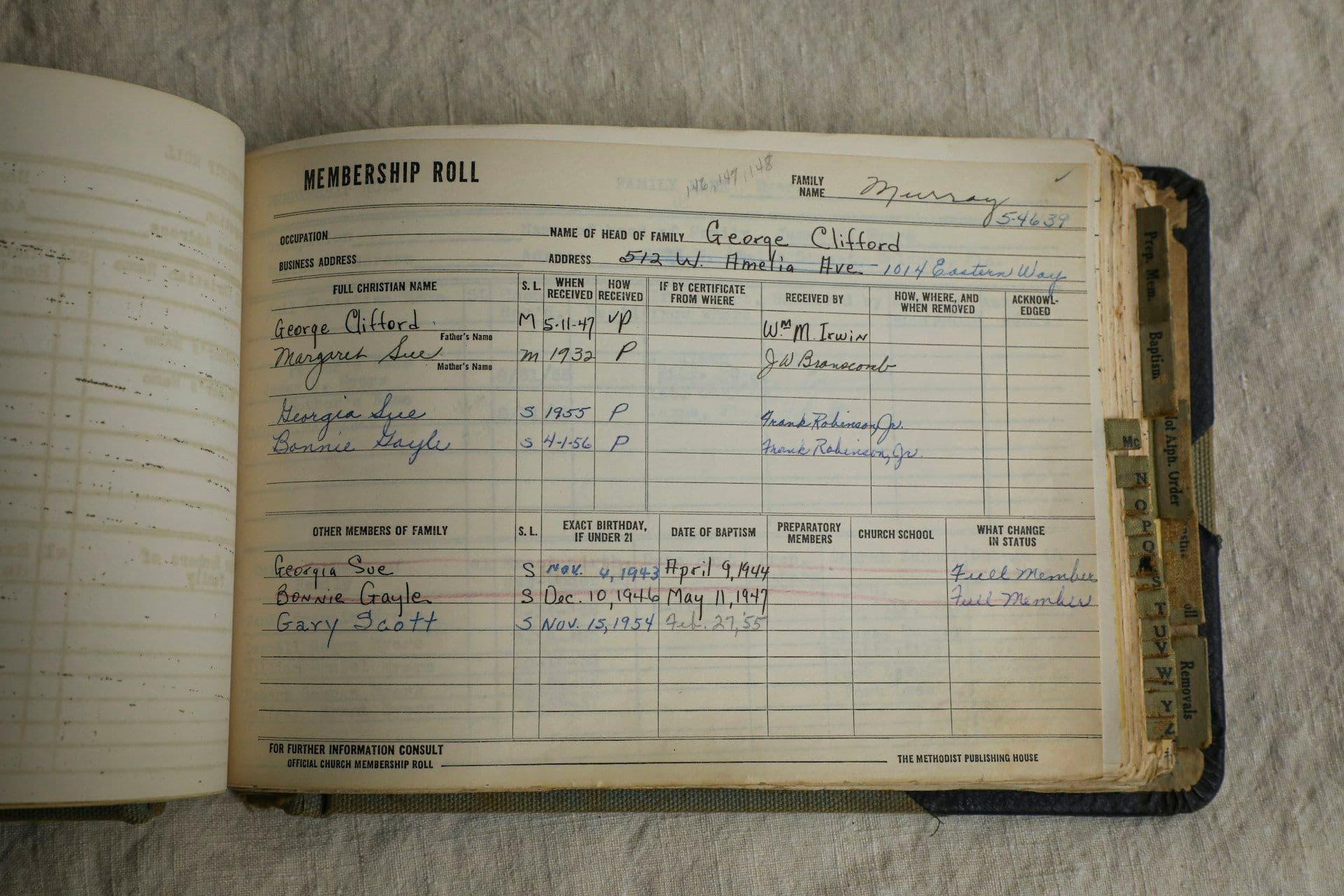
Double-entry bookkeeping records every transaction with two equal sides (debits and credits) that must always balance.
Get the latest on AI bookkeeping and automation