
AI Bookkeeping
Why New Businesses Should Skip QuickBooks for an AI-Native GL
Contrarian take: most new founders should skip QuickBooks. The lock-in math, the four real reasons people still pick QBO, and where it's still the right call.
12 min
You've clicked categorize enough times to know the truth. QBO bank feed suggestions are wrong about half the time. Here's what changes when pattern learning takes over.

You've clicked "categorize" enough times to know the truth. QBO's bank feed suggestions are wrong about half the time, in our experience. The right ones are usually the easy ones. The wrong ones are usually the ones you cared about. And the rules you set up last quarter break the moment a vendor renames their merchant string.
This page explains what changes when pattern learning takes over the routine. It covers what the technology does, what it can't do, and the two modes you can run it in. One mode runs on top of QuickBooks Online (or on CSV imports). The other replaces QBO with a standalone general ledger.
What is AI bookkeeping?
AI bookkeeping uses pattern learning to categorize transactions automatically based on a client's history. When you import a $3,847.92 Stripe deposit, the system checks the date, amount, vendor string, and how similar entries were posted before. If the pattern is strong, it categorizes the transaction. If not, it asks. On a typical import of 247 transactions, Growthy categorizes about 85% correctly and routes the uncertain items to your review queue with a confidence score. Unlike bank rules, you do not write or maintain anything. You move a transaction once. The system remembers.
The bookkeeper at 15 clients is not stuck on skill. They are stuck on time. Every client gets 2 to 4 hours of categorization work per cycle. Multiply that by 15 and you have a full workweek of clicking before you do anything advisory.
The old way is bank rules. You write a rule in QBO that says "if vendor name contains AMZN, post to Office Supplies." Then a vendor renames their merchant string. The rule breaks. You write another rule. You manage 200 rules per client. At 15 clients, you manage 3,000 rules.
In our experience, bank rules plateau around 40% auto-categorization. The other 60% needs a human, every cycle, forever.
The new way is pattern learning. The system reads a client's transaction history. It looks at vendor strings, amounts, dates, frequency, and how similar entries were posted before. When it finds a strong pattern, it categorizes the transaction and gives you a confidence score. When it does not, it asks.
You move one transaction. The system remembers. Move five more like it. The pattern locks in for that client. By month three, the system knows that client's vendors better than any bank feed could.
That changes the per-client math. Categorization time drops 60 to 70 percent. The 15-client wall moves to 25 or 30 clients. Same hours. More clients. Less repetitive work.
"I appreciate the transparency. That's exactly what I needed to hear." (Jimmie, J2)
Most bookkeepers are not going to migrate 15 clients off QBO this quarter. They need the help today, on the books they already have.
Growthy connects to QuickBooks Online. It pulls transactions, runs them through pattern learning, and posts the approved results back. Your client stays on QBO. Your reports stay where they are. Your accountant keeps the access they already have. Nothing moves.
What changes is the daily work. Instead of clicking through every transaction in the bank feed, you open a triage dashboard. You see "37 of 247 need you" and you handle those 37. The other 210 are categorized, scored, and ready for review by exception.
This is the workflow ICP. Bookkeeper at the ceiling. Practice owner who hires juniors but cannot scale faster than they hire. Solo who wants to stay solo and serve 25 clients instead of 15.
Spokes that go deeper on Mode 1:
If a QuickBooks Online connection is not the right path, import CSV files into Growthy. The same pattern-learning and triage workflow applies. You review and approve the results in Growthy.
This path works for historical exports, cleanup batches, and books that are not ready for a direct QBO connection.
The other mode is for people who do not want QBO or Xero in the picture at all.
This is for two groups. The first is bookkeepers ready to migrate clients off QBO because the QBO workflow is the bottleneck, not the underlying ledger. The second is new founders who just got an EIN and have not picked an accounting tool yet.
The new-founder default is QBO or Xero, every time, because their accountant said so. The lock-in compounds with every transaction. By year two, the chart of accounts is a mess of quirky categories. By year five, migration is a project.
Mode 2 lets you start on a standalone general ledger from day one. Connect a bank account. Import a starting balance. Growthy builds the chart of accounts as transactions arrive. You categorize the first few. The system learns. By month three, your books look like books that have been kept by a careful bookkeeper for years.
Bobby Huang, who built Growthy, runs Growthy on Mode 2. No QBO. No Xero. Just the standalone general ledger.
Spokes that go deeper on Mode 2:
Bookkeepers who try Growthy hit three moments that change how they think about the tool.
Layer 1: Speed Shock. The first import. 247 transactions categorized in minutes. Most bookkeepers expect to spend the rest of the afternoon clicking. The afternoon is gone in fifteen minutes. The first reaction is usually "wait, that's it?"
Layer 2: Confidence Score. The system shows the triage dashboard. "37 of 247 need you." Not "review everything because the AI might be wrong." Just the 37 it does not know. This is the moment trust forms. The system tells you what it does not know, instead of pretending to know everything. If you want the deeper read on what confidence scores actually mean, the spoke walks the math.
Layer 3: Pattern Memory. Week one, you correct a few categorizations. Week two, the same vendors appear and the system has learned the corrections. By month three, the system knows that client's vendors better than the bank feed. The corrections carry forward per-client. They do not bleed across clients. Each client's books are a closed loop.
"QBO's categorization accuracy is... optimistically random." (Natalia P.)
The 85% number is the routine 80 to 85 percent of transactions that follow obvious patterns. The other 15 to 20 percent is where most bookkeeping AI breaks. Three failures show up in every other tool we have tested.
Net vs gross on Stripe and PayPal. A $3,847.92 Stripe deposit is not $3,847.92 of revenue. It is $3,968.40 of gross revenue minus $120.48 of processor fees. Most tools post the net amount as revenue and lose the fee in the deposit line. Growthy splits the deposit. The fee lands in the right account. The P&L stays clean.
Transfers misclassified. Loans, owner draws, intercompany transfers, and bank-to-bank moves all look the same to a generic categorizer. They are all just amounts moving between accounts. Most AI tools guess wrong and post a transfer as an expense. Growthy flags transfers for review instead of guessing.
No-description transactions. Sometimes the bank feed gives you "ACH PAYMENT 847293847" with no merchant name. There is no pattern to match. Growthy looks at the date, amount, and bank code, and if it cannot make a confident match, it asks instead of guessing.
The line that captures the stakes: the P&L might look fine while the balance sheet quietly rots underneath. The difficult 20 percent is where the rot starts.
Most AI bookkeeping vendors lead with the highest number they can defend in a press release. We publish numbers we can defend in an audit.
Source | Claimed accuracy | What to know |
|---|---|---|
QBO built-in suggestions | ~50% (in our experience) | Closer to "optimistically random" on real client books. No published methodology. |
Growthy first-import | 85% | Out-of-the-box on a brand new client. Includes the difficult 20% in the denominator. |
Generic LLM (GPT-class) | 70-71% | Cold prompt against bank feed. Fine for triage, not for posting. |
Some vendors | 95%+ to 99% | Often undefended. Pattern in reviews is "demo showed 95, real books broke." |
The honest framing matters because of how these numbers behave in practice. A 99% claim that is wrong on 1% of high-dollar revenue transactions can corrupt the books worse than an 85% system that flags its uncertainty. Calibration beats headline percentage. Always.
"As someone who constantly finding gross errors made by AI, I am skeptical, but opened to participate." (Julia Eskander, CPA)
If you are mid-evaluation and want a structured frame, see how to evaluate AI bookkeeping vendors. The checklist walks the questions to ask before signing anything.
Tool | What it is | What to know |
|---|---|---|
QBO bank rules | Built-in rule engine in QBO. | Free. Plateaus around 40% auto-categorization in our experience. Rules break when vendor names change. |
Botkeeper | Was a managed AI bookkeeping service. | Shut down in 2026. Not an option. |
Pilot | Outsourced bookkeeping with software wrap. | $600 and up per month per business. Replaces the bookkeeper. Not a bookkeeper enablement tool. |
Bench | Outsourced bookkeeping. | Acquired by Employer.com after a 2025 wind-down event. Customer continuity story is still settling. |
AI bookkeeper that runs over QBO or Xero. | $129 per business per month at time of writing. Mode 1 only. No standalone GL option. Reviews flag accuracy issues on real client books. See the full Growthy vs Booke.ai comparison for side-by-side detail. | |
Digits | AI bookkeeping with their own GL. | Claims 96% accuracy. Forces a migration off QBO. No Mode 1 path. |
Growthy | Dual-mode. Pattern learning. Triage dashboard. | See current Growthy pricing. Mode 1 over QuickBooks Online (or CSV import) today, or Mode 2 as the standalone GL. |
A note on tone. Bookkeepers running Pilot have told us the service does the work; it does not make them faster. That is a real choice some firms want. The Growthy frame is different. We sell productivity gain to the bookkeeper, not bookkeeper replacement. If you want to enable the people you already have, Growthy is the lane. If you want to outsource the function entirely, Pilot is the lane.
Anthropic launched Claude for Small Business in May 2026. Eight of the 15 named "Skills" in the launch are bookkeeping or finance workflows. Invoice chaser. Month-end prepper. Reconcile QuickBooks against PayPal. Tax-season organizer. Cash forecasting.
This is the largest in-category validation event AI bookkeeping has had. The category is real. A model lab built a product around it.
The honest read on Claude versus Growthy. Claude is horizontal. It runs 15 different SMB skills across bookkeeping, marketing, sales, contracts, and operations. One of those skills is bookkeeping. Growthy is vertical-deep. Every part of the product is built for one job: per-client pattern memory, multi-client triage, audit-trail-clean categorization with a named human approver on every posted entry.
Anthropic does the demo-floor wow. Growthy does the production-floor work.
For a bookkeeper running 15 clients, the practical question is "can a horizontal LLM hold per-client pattern memory across 15 isolated chart-of-accounts setups, post deterministic categorizations that survive an audit, and give me a triage dashboard that ranks 247 transactions by what needs my eyes?" That is a vertical product, not a chat session.
Spokes that go deeper on the Anthropic question:
This hub has a stack of spokes. Where you start depends on who you are.
Bookkeeper at the 15-client ceiling? Start with AI bookkeeping vs bank rules. It walks the 40 percent plateau math and shows what changes at 25 clients.
New founder choosing your first accounting tool? Start with AI bookkeeping for a new business. It explains the QBO lock-in trap and how to skip it.
CPA firm partner researching the 2026 stack? Start with the AI-for-accountants sister hub, built for the firm-level decision.
Already on QBO and curious about Claude? Start with Claude for bookkeeping. Honest take on what a horizontal LLM does and does not solve.
Researching the broader bookkeeping automation landscape? Start with the broader bookkeeping automation landscape. Where AI fits, what bank rules and OCR still do, and what's actually shipping in 2026.
Pick the mode that fits: connect a QuickBooks Online file, upload a CSV, or start on the standalone GL. Run a first import. See the triage dashboard for yourself. If you are comparing service vendors first, start with Bench vs Pilot vs AI bookkeeping, then check the AI bookkeeping pricing comparison against your client count.
Contrarian take: most new founders should skip QuickBooks. The lock-in math, the four real reasons people still pick QBO, and where it's still the right call.

You're good at this. You've built a steady client base, your reviews are solid, and referrals keep coming. And yet somewhere between client 12 and client 18, you hit a ceiling you didn't see coming.

Six real Claude workflows for bookkeepers, with sample prompts you can paste today. P&L narratives, reconciliation research, vendor cleanup, and the limits.
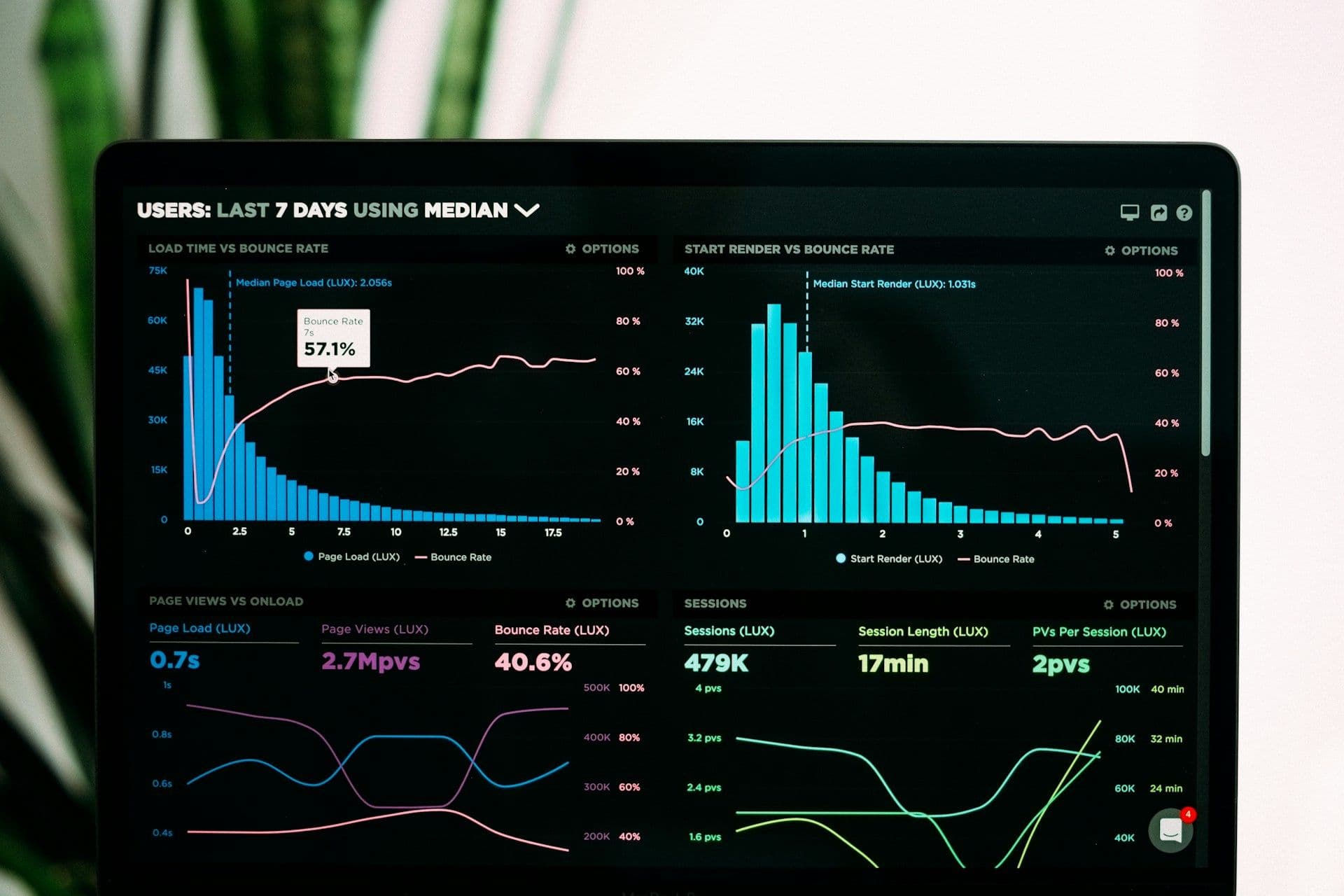
An honest read on Growthy vs Booke.ai before you sign up. Both ship today. Both are real. They were built for different jobs. Which job is yours?

You've seen the demos. AI categorizes everything automatically. Sounds great until you're staring at 247 transactions wondering which ones actually need your eyes on them.

You've tried both. A working bookkeeper's head-to-head on Claude vs ChatGPT in 2026: where each one wins, and why neither replaces a vertical tool.

A bookkeeper asked: do I just use Claude now, or still need Growthy? The honest answer is both, for different jobs. Here's where each one fits.

You built the bank rules. Took hours. Maybe a whole afternoon the first time you set up a new client, drilling down into vendor names, typing conditions, picking categories. Now they catch rent and utilities automatically, and that feels like...

Just formed your LLC? The accounting tool you pick this month is the one you'll be on for five years. Here's how to pick AI-native from day one.
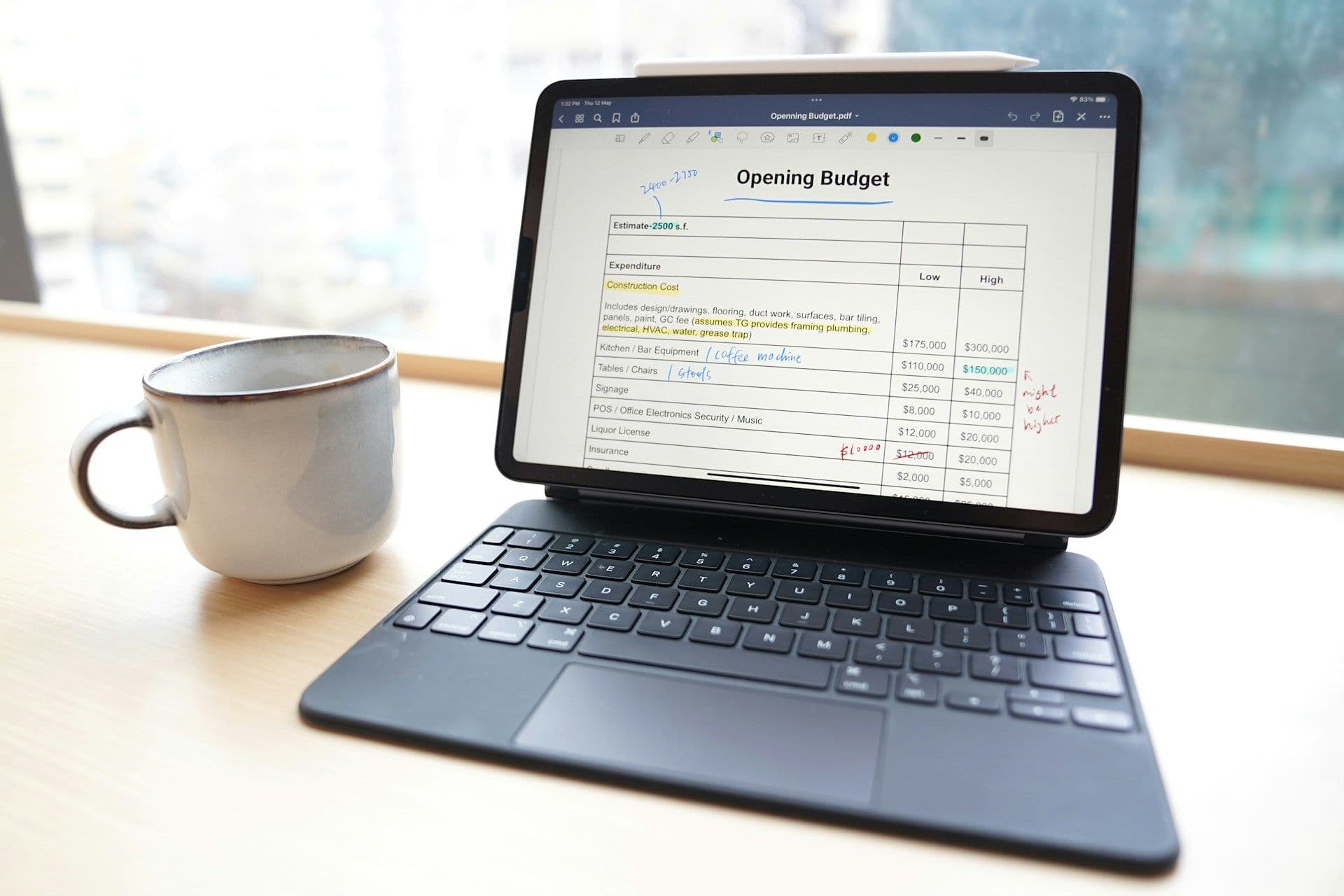
If you've spent any time shopping for AI bookkeeping software, you've noticed something: every vendor says AI. The landing pages all have the same bullet points. Automated categorization. Smart suggestions. Learns from your books.

You're responsible for your clients' financial data. That's not a small thing. One breach, one vendor doing something shady with a client's transaction history, one misrouted file. You're the one explaining it to a client who trusted you with...

Week-by-week 30-day plan to migrate 15 QBO clients to AI bookkeeping: COA mapping, historical import, AI training, parallel run, cutover validation, and a real rollback plan if it doesn't work.
Get the latest on AI bookkeeping and automation